Orthokeratology (ortho-k)
Rigid gas-permeable lenses worn overnight reshape the cornea temporarily, allowing clear daytime vision without glasses or contacts. Ortho-k is one of the most studied methods for slowing myopia progression in children.
Myopia control for children
Myopia management is designed for children whose nearsightedness keeps increasing. The goal is to slow progression while keeping day-to-day vision clear.
Lakeview Eye Care helps Syracuse-area families slow childhood myopia progression with a plan that fits school, sports, and daily routines.
For families in Syracuse, West Point, Clearfield, Clinton, and surrounding Utah communities, this visit should leave you with a clearer understanding of what your eyes need and what to do next.
Medically reviewed by Dr. Jayson Buhler, OD and updated . Provider identifiers: NPI 1497649131, Utah optometry license 14228827-9934.
Read our editorial policyWhen to schedule
What to expect
What to bring
Treatment approaches
Every patient is different. Your doctor will talk through the approaches that fit your symptoms, lifestyle, and exam findings.
Rigid gas-permeable lenses worn overnight reshape the cornea temporarily, allowing clear daytime vision without glasses or contacts. Ortho-k is one of the most studied methods for slowing myopia progression in children.
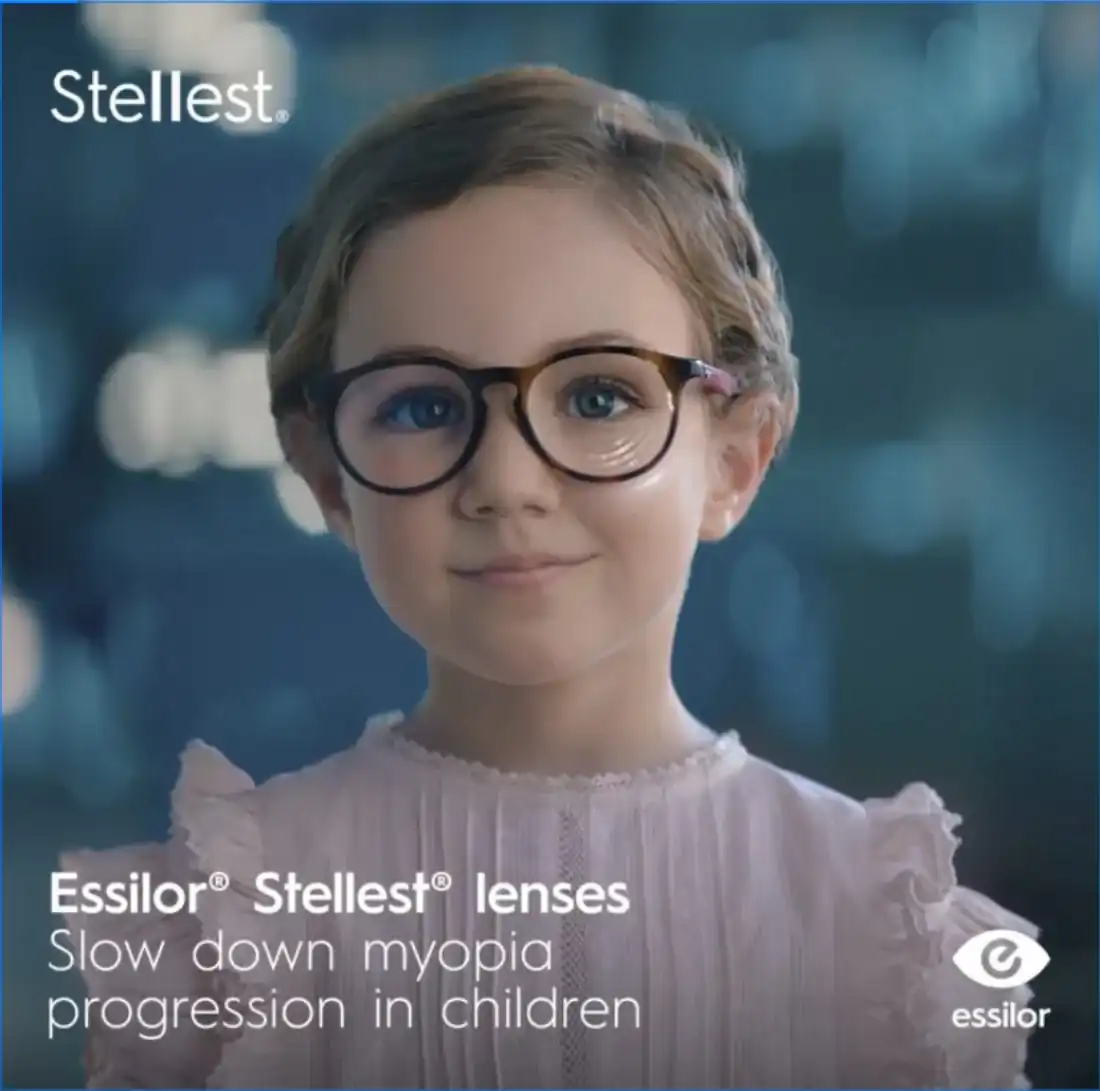
Soft contact lenses and specialty glasses like MiSight or Stellest lenses are designed to slow eye elongation while keeping vision clear for school, sports, and screen time throughout the day.
Low-concentration atropine eye drops have shown effectiveness at slowing myopia progression in clinical studies. The doctor evaluates this option when other methods are not a good fit or when combined treatment makes sense.
Myopia management is not a one-time fitting. Regular measurements help track axial length and refraction changes over time so the treatment plan can be adjusted as the child grows.
What parents should know
Many parents first notice the pattern when a child needs a stronger prescription every year or starts moving closer to books, tablets, or the television. That yearly change can feel normal, but ongoing progression deserves a closer look because the eye itself may be growing longer over time.
Myopia management is not just about seeing the board at school. It is about choosing a treatment plan that can slow progression while still working for sports, homework, sleep routines, and family schedules. The right option depends on your child's age, prescription history, comfort level, and how quickly the prescription is changing.
That is why we start with baseline measurements, explain the tradeoffs clearly, and follow changes over time instead of guessing. Families leave knowing what the numbers mean now, what we are watching next, and when it makes sense to adjust the plan.
Why this matters
Myopia that worsens each year can affect more than classroom vision. Higher myopia is linked with increased long-term risk for retinal detachment, glaucoma, and other eye-health concerns. Starting myopia control early can help slow progression and support healthier vision over time.
Syracuse and Davis County
Lakeview Eye Care is located at 1792 W 1700 S Suite 102, Syracuse, UT 84075. Patients visit from Syracuse and nearby West Point, Clearfield, Clinton, and Layton because the office offers careful exams, clear explanations, and practical next steps close to home.
Related eye care
Patients considering myopia management often also ask about related services, insurance details, and who they will see at the office. These links help you orient yourself before you book.
Quick answers
Myopia management is care designed to slow how quickly a child's nearsightedness gets worse. It can include specialty glasses, contact lenses, ortho-k, or medication depending on the child.
If your child's prescription keeps getting stronger each year, it is worth asking about myopia control. The earlier you start, the more options you usually have.
Yes. Lakeview Eye Care helps families from Syracuse, West Point, Clearfield, Clinton, and surrounding Utah communities.
Yes. The doctor can recommend a treatment plan that fits school, sports, and everyday routines.
Medical disclaimer
This information is for general educational purposes and is not a diagnosis. If you have sudden vision changes, eye pain, injury, flashes, floaters, or other urgent symptoms, call an eye care professional or seek emergency care.
Schedule with Lakeview
Book online or call the Syracuse office. The team will help you choose the right visit.
Need help with coverage or common questions first? Review our insurance information or the FAQ.